Home › Mole & Vole Control

Mole Control Buffalo NY

By the time the snow melts in Buffalo, some lawns read like a road map. Raised tunnels crossing the yard, soft spots that sink under your boot, and flower beds where the tulip bulbs are simply gone. That damage comes from two different animals that get lumped together, and telling them apart decides what works.

Moles dig. They are insect eaters hunting worms and grubs underground, and the tunnels and mounds are the damage. Voles are rodents. They eat plants, bulbs, bark and roots, run on the surface under cover, and pour out of stone walls and ground cover in spring. This page covers both, because most Buffalo yards that call us have one of them and suspect the other.
Call (716) 320-8028   Request a Callback

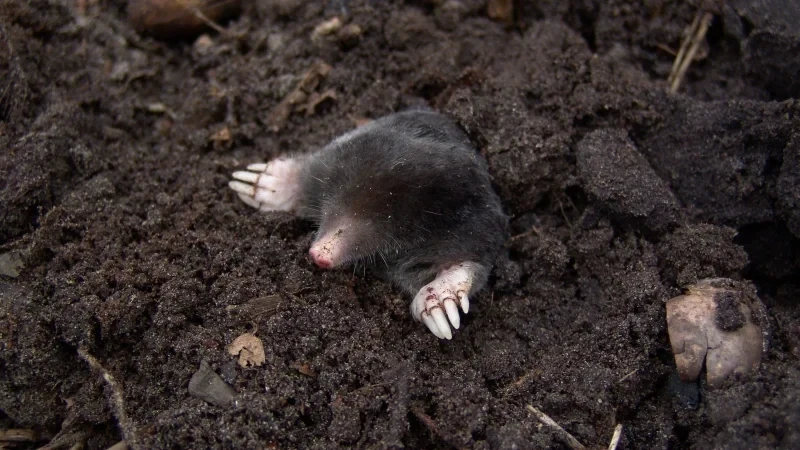
Mole digging up through soil, mole control in Buffalo NY

Mole or Vole? The Quick Test

One more note people get wrong. Moles are not rodents at all. They are closer to bats than to mice. Voles are true rodents, cousins of the house mouse, which is why they belong on a rodent control site and why their numbers can explode in a good year.

SignMolesVoles
TunnelsRaised ridges you can see and feel crossing the lawnSurface runways through grass, about 2 inches wide, with clippings
HolesVolcano-like dirt mounds, no open hole on topOpen holes the size of a golf ball, often by walls and steps
Plant damagePlants wilt from disturbed roots but are not eatenBulbs eaten, bark gnawed at ground level, roots chewed
When worstSpring and fall when soil is moistLate winter and spring, damage shows at snow melt

How Mole Control Works

Mole work is trapping, set in the active travel tunnels, not scattered at random in every ridge you see. Surface tunnels split into quick feeding runs, which moles may use once, and deeper main runs used daily. Traps go in the main runs, marked and flagged, and get checked on a schedule until activity stops. Repellent products and vibrating stakes have a poor record in our soil and season length, and we will not sell you a program built on them.

Grubs get blamed for every mole, and grub treatment alone rarely ends it. Moles eat earthworms first in most Buffalo lawns. If your lawn has a real grub problem we will say so, but the moles get trapped either way.

How Vole Control Works

Voles are controlled like the rodents they are. Trapping on the runways, bait stations where the situation calls for them, and habitat work that removes the cover they travel under. That means cutting back ground cover at foundations, clearing the runway grass, moving woodpiles and stone edging checks, and protecting young trees and shrubs with hardware cloth collars before winter, because bark girdling happens under the snow where you cannot see it happening.

For properties near fields, creeks and rail corridors, which describes a lot of West Seneca, Hamburg and Cheektowaga edges, vole pressure renews every year. A spring and fall service rhythm keeps ahead of it better than one big rescue in April.

When the Yard Problem Is Also a House Problem

Voles around a foundation sometimes work their way into basements and garages in winter, and field mice travel the same cover. If you have outdoor rodent signs and indoor ones, the inspection covers both in one visit, and the mouse program handles the indoor side.

The Seasonal Shape of Yard Work

Yard rodent work in Buffalo runs on the animals' calendar, not the homeowner's. Spring, right at snow melt, is when winter vole damage shows and when mole tunnels are easiest to read in soft soil: it is the assessment season and the start of trapping. Summer is maintenance: vole habitat work, tree and bed protection before the fall, and mole checks on the main runs. Fall is the protection window, when collars go on young trees and runway trapping takes the vole population down before snow cover gives them a safe winter to feed under. A yard signed up in April and ignored until the next April will show it. The program is built as a rhythm for that reason, especially on the larger lots toward Hamburg and the creek edges of West Seneca.

What Moves the Cost of Mole and Vole Work

Lot size and activity level set the price. A cape lot with one active mole run is a short trapping program. A two-acre property with runway systems in three beds and a stone wall is a season of visits. Vole work adds the habitat side: how much ground cover, edging and woodpile has to be cut back or moved is part of the scope, and tree collars are priced by the tree. Mole trapping is checked on a schedule until activity stops, and that check count is in the quote rather than discovered later.

The cost page puts yard work in the Buffalo market context. One caution belongs here: the cheapest yard offer is usually a repellent treatment. In our soil and season length, repellents and vibrating stakes have a poor record, and we would rather tell you that than sell you one.

What Yard Control Cannot Do

Moles and voles live in a landscape, not a house. A field, a hedgerow or a creek bank next door keeps producing them, and no program seals a yard the way exclusion seals a building. What control does is keep the population on your lot low enough that the damage stops, and keep the habitat near the house uninviting so they base themselves elsewhere. On a rural-edge property that is a standing program, not a one-time event, and we will say so at the first visit rather than after the third.

Related Services

Rodent Exclusion & Proofing

Where the yard meets the house: the foundation line is where vole cover becomes a mouse entry.

Learn more →

Residential Rodent Control

The whole-property view: yard program plus house program under one plan.

Learn more →

Rodent Inspection

Not sure whether the yard damage connects to the house? One visit answers both.

Learn more →

Mole & Vole Control, by the Numbers

2 tunnel types

Moles dig quick feeding runs used once, and deeper main runs used daily. Traps belong in the main runs.

2 inches

The width of a vole surface runway through grass, clipped along its length. The fastest field ID there is.

Not a rodent

The mole. It eats insects and worms. The vole is the rodent, and the one whose numbers explode.

2 seasons

Do the heavy lifting: spring at snow melt for assessment, fall for protection before snow cover.

The Yard Year, Season by Season

Mole and vole work follows the animals' calendar. This is the rhythm a program is built on.

SeasonMolesVolesThe visit focuses on
Spring, at snow meltTunnels easy to read in soft soilWinter damage revealed; population at its visible peakAssessment, trapping starts, damage map
SummerMain runs stay active in moist soilBreeding in cover; beds and bark at riskHabitat cuts, bed protection, run checks
FallRuns shift with the soilFeeding up before snow; girdling starts under first coverTree collars on, runway trapping, population down before winter
WinterMostly quiet near the surfaceFeeding under snow, unseenNothing to trap well; the fall work is what holds

Frequently Asked Questions

Why did moles show up this year and not before?

Soil moisture and food. A wet spring raises worms and grubs toward the surface and makes digging easy, and a lawn that was quiet for years can light up in one season. New landscaping, a removed tree, or a neighbor treating their yard can also push activity onto yours.

Are mole traps safe for my dog?

Traps are set below the surface in the tunnel itself, flagged, and placed where we agree together if a dog uses the yard. Dogs occasionally investigate flags, so tell us about pets when you book and we will plan the set locations around them.

Can voles damage my house?

Voles themselves rarely enter deep into houses, but they chew bark, wiring in sheds and stored items in garages, and their runway systems give field mice covered routes to your foundation. The bigger cost is usually landscape: bulbs, hostas, young fruit trees and lawn areas killed over one winter.

When is the best time to start?

Spring, as soon as the snow is off and tunnels show, and again in fall before freeze. Catching a mole while its tunnel system is small is a short job. Catching up in July after a summer of digging is not.

My neighbor does nothing about their moles. Is treating my yard pointless?

No, but the goal changes. On a lot fed from one side, the program holds your damage near zero by working the runs and runways on your property as they appear. Moles are territorial and few in number, so a trapped-out lot stays quiet for a while. Voles rebuild faster, which is why the habitat work on your side of the line matters most.

Will getting rid of grubs get rid of the moles?

Usually not on its own. Grubs are part of a mole's diet, but earthworms are the main course in most Buffalo lawns, and a grub treatment leaves the worms. If your lawn genuinely has a grub problem we will say so, and treat it as a lawn issue. The moles still get trapped.

I have tried repellents and vibrating stakes and the tunnels keep coming. Why?

Because those products ask the animal to leave, and a mole with a yard full of earthworms has no reason to agree. Castor oil repellents and solar stakes have a poor record in our soil, and the tunnels you see afterward are the review. Trapping is less comfortable to hear about and it is what works: sets placed in the main travel runs, checked on a schedule, until the activity stops. If a company leads with a repellent program for a Buffalo lawn, ask them what their second step is when it fails.

Ready to get the rodents out?

Call now and tell us what you are seeing. We will walk you through the next step and get an inspection set up.

Call (716) 320-8028   Request a Callback

Call (716) 320-8028