Home › Rodent Inspection

Rodent Inspection Buffalo NY

Every service we sell starts here, because guessing wrong is expensive. An inspection answers four questions. What animal is it. How many are there likely to be. Where are they living and traveling. And where exactly are they getting in.

In Buffalo houses those answers change the whole job. Mice in a balloon-frame wall are one program. Norway rats burrowed under a porch with a cracked sewer lateral are another. A squirrel in a soffit is a third, and it is not even a rodent problem we price the same way. The inspection is how we know, and it is how you know what you are paying for.
Call (716) 320-8028   Request a Callback

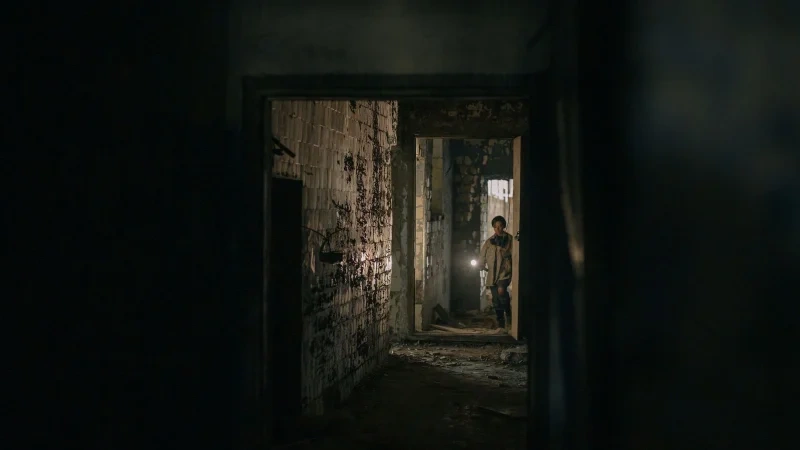
Inspector checking a dark interior with a flashlight

What the Inspection Covers

You walk the problem areas with us or get the full rundown after, with the entry points shown, not summarized. The findings turn into a written plan: removal method, sealing list, cleanup needs and the price for each part, so you can approve the whole job or take it in stages.

When to Book One

Fall is the busiest season for a reason. An inspection in September or October, before mice settle in for the winter, is the cheapest rodent control you will ever buy. Our signs guide can help you decide whether what you found needs one.

What It Is Not

An inspection is not a sales script with a clipboard. If the problem turns out to be small, we will say so. If it turns out to be the county's end of the problem, a broken sewer or a neighbor property feeding the street, we will say that too, and point you at the county program for the part it covers. The inspection fee and what it includes are confirmed when you book, so there are no surprises at the door.

How Findings Are Graded

Not every opening and every dropping carries the same weight, and a useful inspection says so. Findings come back in three grades. Active: fresh droppings, a burrow in use, a gap with rub marks or fur on it, which means animals are using it now and it drives the plan. Open but quiet: a gap big enough to use with no current sign at it, which gets sealed in the same job because quiet is a season, not a condition. Structural watch: the cracked mortar joint or the aging vent cover that is not an entry yet and will be one within a winter or two, which goes on the list for the fall check rather than today's bill.

The grading is what keeps the quote honest. You see which items are today's problem, which are cheap insurance while the ladders are out, and which are next year's, and you can stage the work in that order. The full visit, from call to written plan, is laid out on the how it works page.

What Moves the Cost of an Inspection

An inspection is the one service on this site with a simple shape: one visit, one written plan. What changes its cost is the size and complexity of the building. A cape with an open basement is a shorter visit than a double with a finished basement, two units and a carriage house, and a multi-family building or a business is surveyed under the commercial program instead. The fee and exactly what it includes are confirmed when you book, and the plan it produces prices every following piece of work, which is where the real numbers live. For the Buffalo market picture those numbers sit in, see the cost page.

What an Inspection Cannot Do

An inspection reads evidence; it cannot see through walls. Activity sealed inside a finished ceiling or a closed wall bay is inferred from the signs at its ends, and every honest report says which findings are confirmed and which are inferred. It also cannot grade a neighbor's property, a sewer line under the street, or a building you do not own: where the evidence points off your property, the report says that too, and the county guide covers the routes that exist for the parts that are not yours to fix.

Related Services

Rodent Exclusion & Proofing

Where the inspection list becomes the fix: every graded opening, sealed with the right material.

Learn more →

Mouse Control

The most common inspection result in Buffalo: mice, their routes, and the removal program for them.

Learn more →

Dead Rodent Removal

A smell with no source is an inspection problem first. The activity map is how the carcass gets found.

Learn more →

The Inspection, by the Numbers

4 questions

Every inspection answers the same four: what animal, how many, where they live and travel, where they get in.

5 zones

Get read on a standard visit: attic, basement and crawl space, living levels, exterior, and the yard.

3 grades

Findings come back active, open but quiet, or structural watch, so you know what is today's bill and what is next year's.

1 plan

In writing: species, evidence, the entry list and the price for each part, before any work is approved.

What We Check, Zone by Zone

The same five zones on every house, because a route that starts in one usually ends in another.

ZoneWe look forWhy it matters
AtticDroppings, nesting, runways in insulation, roofline and chase entriesWhere the damage and the scent map concentrate
Basement & crawl spaceSill plate, rim joist, utility entries, drains and cleanoutsThe ground floor of almost every rodent route
Living levelsKitchen and bathroom plumbing voids, behind appliancesWhere the problem reaches food and people
ExteriorThe full foundation line, siding base, vents, doors, garage and porch junctionsWhere entries are cheapest to seal and easiest to miss
YardBurrows, runways, food sources, woodpiles, feeders, garbage storageWhat decides whether the street's problem becomes yours

Frequently Asked Questions

How long does an inspection take?

Most houses take 45 minutes to an hour. Large houses, finished basements and properties with both indoor and yard activity take longer. We would rather be thorough once than come back three times.

Do I need to be home?

Someone over 18 needs to let us in and hear the findings. If you are a landlord with tenants in place, we can work with the tenant on site and send you the findings and photos of the problem areas.

What should I do before the visit?

Very little. Do not clean up droppings before we see them, because their location and freshness are evidence. Keep pets somewhere they will not follow us into the attic hatch or basement, and clear a path to the water heater, furnace and attic access if you can.

Does the inspection include the attic and roofline?

The attic, yes, from inside. The roofline gets checked from the ground and from the attic side. Most rodent entries at height show themselves inside as light, droppings and rub marks along the top plates.

What happens after the inspection?

You get the plan and the price in writing. If you approve it, removal and sealing are scheduled, often starting the same visit for trapping. If you want to think about it, the findings are yours either way.

Do I get the findings in writing?

Yes. The plan is written: species, evidence, the entry list graded active, quiet or watch, and the price for each part of the work it leads to. Landlords and sellers use it as the property record, and it is the same document the work is later checked against.

Can you inspect just the attic, or one part of the house?

We can look where you ask, but the written plan only covers what was actually inspected, and rodents rarely respect the boundary. A partial inspection is priced and reported as partial. Most people find the full house is the better buy once the ladder is already there.

My house is clean. Why do I even have mice?

Because mice are not looking for a dirty house. They are looking for a warm one with a gap in it. A spotless kitchen does not change the temperature inside your walls in January, and a dime-sized opening at the sill matters more than anything on your counters. Cleanliness affects how much food they find once inside. It has almost nothing to do with whether they come in. Almost everyone who asks this question has a tidy house and an unsealed one, and only the second half is the problem.

Ready to get the rodents out?

Call now and tell us what you are seeing. We will walk you through the next step and get an inspection set up.

Call (716) 320-8028   Request a Callback

Call (716) 320-8028